Budget Frameworks
Learn how to establish hard boundaries for various spending categories using quantitative tools.
Read More →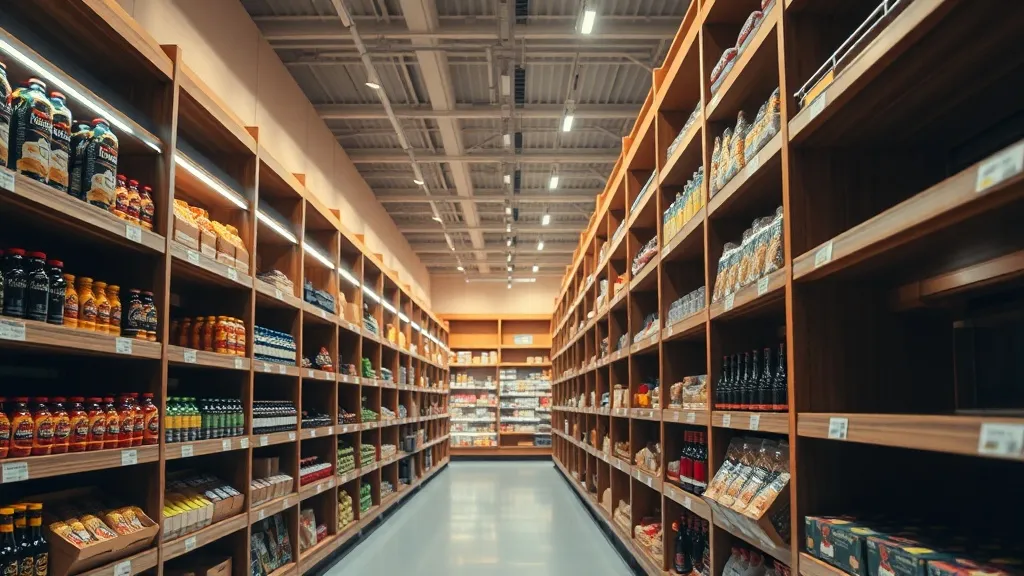
Back in 2014, I worked with a regional grocery chain that couldn't figure out why their high-margin deli items weren't moving. We realized the store floor was designed like a straight pipe. Customers were sprinting to the milk at the back and leaving immediately. By simply re-routing the floor plan into a "forced-path" loop, we saw a 22% increase in unplanned basket additions within three months.
Unplanned Purchases
Studies show that over half of supermarket purchases are decided at the shelf, influenced by positioning.
Dwell Time Impact
For every additional minute a consumer spends in a store, the average transaction value increases significantly.
Eye-Level Premium
Products placed at an average height of 1.6 meters generate higher turnover than top or bottom shelves.
"I just came in for bread," a customer once told me while holding a designer candle and three packs of gourmet pasta. This is no accident. Retailers use the 'Gruen Effect'—a layout designed to be slightly confusing so that customers lose their original track and start browsing.
By placing essentials like milk and eggs at the furthest corners, stores force you to navigate through high-margin "impulse" zones. Every turn is a deliberate speed bump designed to catch your eye with items you didn't know you needed. To combat this, one must treat the store as a technical environment rather than a social space.
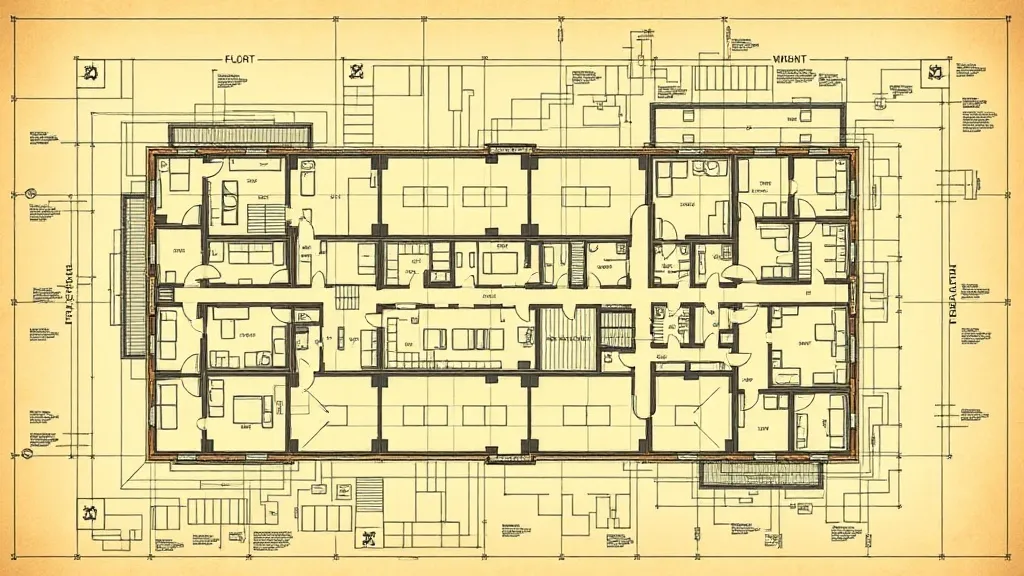
I remember a project where we adjusted the BPM of the background music. Slowing it down to 60 beats per minute actually slowed the walking pace of shoppers, leading them to spend about 30% more time in the aisles.
Lighting works similarly. Warm, yellowish light in the bakery section evokes "freshness," while bright, cool-toned lights in the pharmacy section project "cleanliness." These sensory cues bypass the logical brain, triggering a physiological comfort level that makes the wallet feel lighter. Understanding these triggers is the first step toward Practical Finance Control.

Online shopping has its own "aisles." Digital nudges, such as "Frequently Bought Together" or "Only 2 left in stock," create a false sense of urgency and social proof. I've seen users add $50 worth of items just to qualify for $5 "free shipping."
These platforms are built on Dopamine and Retail loops. Every notification and personalized discount is a calculated attempt to break your budget. The solution is often a technical one: clearing cookies and using "incognito" modes to reset the algorithm's profile of your habits.
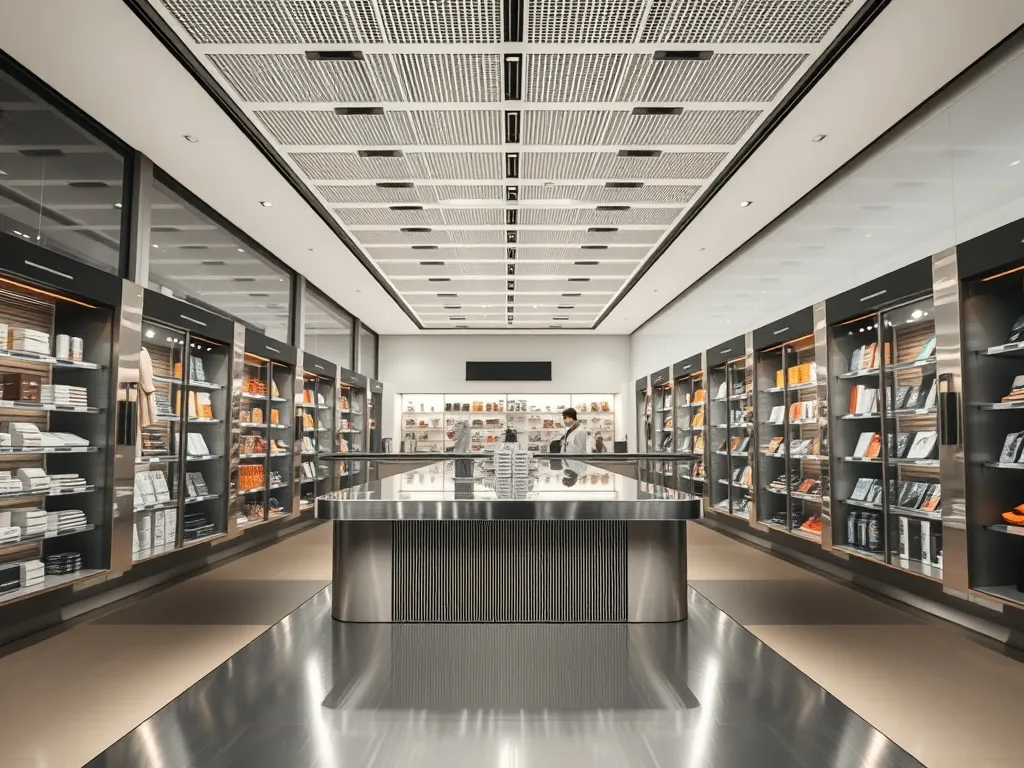
The checkout line is the "golden zone." It is where your willpower is at its lowest after making dozens of decisions throughout the store. Retailers pack this area with small, low-cost "guilt-free" items.
"— It's just two dollars, I'll take it," is the mantra of the defeated budget. This is why self-checkout stations are often flanked by candy and batteries. Recognizing this zone as a "trap" allows you to mentally check out before you physically reach the register.
Learn how to establish hard boundaries for various spending categories using quantitative tools.
Read More →Transition from reactive shopping to a planned consumption model based on actual utility.
Read More →Real-world examples of individuals who restructured their financial habits after debt accumulation.
Read More →Download our purchase verification checklist to use on your next trip to the store.
Get the ProtocolThe content provided on this platform is developed strictly for educational and informational purposes. All materials serve as a reference guide for consumer behavior and do not represent professional financial advice or binding economic recommendations. Velvorin is not responsible for individual financial decisions based on the information provided herein.