The Repairability Audit
Before any purchase over $200, check if replacement parts are available online. If the item is a "black box" that must be discarded upon failure, it is a liability, not an asset.
Read Audit Guide →
Shifting from temporary possession to permanent utility. How calculating the lifecycle cost of your purchases transforms your personal economy.
In the modern retail environment, we are often baited by the "low ticket price." It is a psychological anchor that blinds us to the long-term operational expenses of an object. When I first started consulting on household budgets back in 2012, I encountered a client who bought a new $20 coffee machine every six months because the heating elements kept burning out. Over five years, he spent more on plastic waste and replacements than he would have on a professional-grade copper-boiler unit that lasts twenty years. This is the core of sustainable consumption: looking past the checkout counter.
Sustainable consumption isn't a moral lecture; it is a technical strategy for wealth preservation. By choosing items with repairable components and high-quality materials, you effectively lower your annual depreciation. We often discuss dopamine hits in retail, but the real satisfaction comes from the reliability of a tool that performs exactly the same way on year ten as it did on day one.
"I remember helping a friend move his workshop," I often tell my students. He had two drills. One was a $30 bargain bin special, and the other was a $250 industrial model he’d owned since the late 90s. The cheap one had been repaired with duct tape and sounded like a bag of marbles. The expensive one had been serviced once—a simple brush replacement costing $15—and still drove lag bolts into oak without a stutter.
Calculated over two decades, the $250 drill cost him $12.50 per year plus one service. The "cheap" drills, which he had gone through four of in the same period, cost him $120 plus the frustration of three mid-project failures. When we evaluate purchase verification steps, maintenance cost is the heaviest variable in the equation.
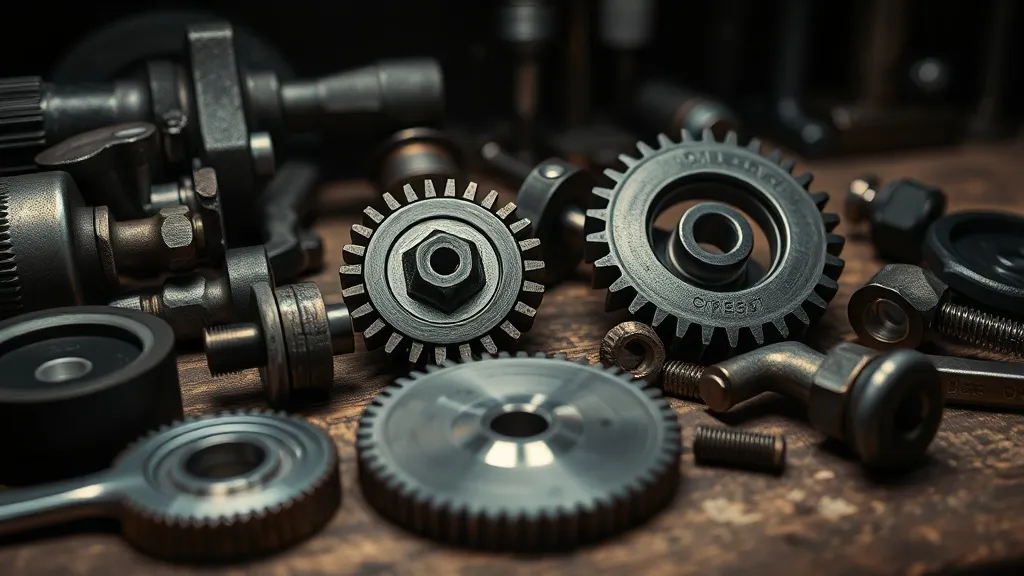
We live in an era of engineered obsolescence. Manufacturers intentionally use plastic gears where metal ones are required, or seal batteries inside casings to prevent replacement. To combat this, one must develop a "mechanic's eye" for quality. Look for Goodyear welts on shoes, full-grain leather rather than "genuine" (which is essentially leather plywood), and solid wood joinery instead of cam-locks and particle board.
"Buy once, cry once" is a mantra that has saved my clients thousands. If you buy a synthetic winter coat for $100, it loses its loft and water resistance in two seasons. A heavy wool overcoat or a high-fill-power technical shell for $500 might seem like a luxury, but when it serves you for a decade, the 'cost per wear' drops to pennies. This is why understanding store layout tactics is vital—they want you to buy the $100 coat every other year.

Specific methodologies for transitioning from impulse-driven spending to utility-focused acquisition.
Before any purchase over $200, check if replacement parts are available online. If the item is a "black box" that must be discarded upon failure, it is a liability, not an asset.
Read Audit Guide →Learn the difference between high-density polyethylene and cheap PVC, or stainless steel vs. chrome-plated plastic. Material integrity is the primary predictor of longevity.
Spot the Quality →Research the secondary market value of the brand. Brands that hold 50% value after 3 years are statistically superior to those that vanish from the market.
View Case Logs →"Every object you own owns a piece of your attention," a mentor once told me while we were clearing out an estate. Excess inventory in the home isn't just a financial sink; it’s a management burden. Every item requires cleaning, organizing, space, and mental tracking. When you reduce the quantity of your possessions but increase their individual quality, you reclaim significant cognitive bandwidth.
Decluttering isn't about throwing things away; it's about refining your environment to only include high-performance tools and meaningful objects. This process naturally leads to practical finance control because you become acutely aware of the 'inventory space' each new purchase will occupy.

When you view a purchase as an asset rather than an expense, your criteria change. You stop asking "Can I afford this today?" and start asking "What is the yield of this item over five years?" For example, high-quality cookware like cast iron or multi-clad stainless steel doesn't just last a lifetime—it improves cooking efficiency and reduces energy consumption.
In my twenty years of tracking household spending, the most financially secure individuals are not necessarily those who earn the most, but those who have the lowest "replacement rate" for their physical goods. By investing in long-term assets, they free up their cash flow for actual investments like stocks or real estate, rather than constantly rebuying their lifestyle.

No. Luxury is often about brand prestige and aesthetics. Quality is about technical specifications, material durability, and repairability. A $500 designer t-shirt is luxury; a $60 heavy-weight organic cotton shirt with reinforced seams is quality. The latter is a sustainable financial choice.
The best strategy is to wait. Save the money you would have spent on the cheap version until you can afford the durable one. This also serves as a cooling-off period to ensure the purchase is truly necessary.
Communities like "Buy It For Life" and technical review sites that perform teardowns (showing the internal components) are invaluable resources for verifying engineering quality before you buy.
The analytical articles and data points provided on this platform summarize publicly available consumer research, industrial engineering standards, and educational budget materials. The content is intended for reference and informational purposes only and does not constitute professional financial advice or specific investment recommendations.
Download our technical guide on calculating the 'Total Cost of Ownership' for household assets.
Explore TrainingSubscribe to be the first to know.